
Pompano Beach Address History Sources
No single roll identifies everyone who occupied a Pompano Beach property. Broward land records identify owners, while a directory or census can name people at the address on a particular date. Permits date work on the building, not a household. Probate may explain how an owner disappeared from the deed trail. Use the source that matches the time and the question, then compare it with a second record.
| Source | Verified span | Record keeper | Evidence found |
|---|---|---|---|
| Official Records web index | 1978 to present | Broward County Records | Parties, instrument type, date and book/page |
| Online document images | Broadly from Aug. 24, 1998 | Broward County Records | The recorded instrument itself |
| Earlier land documents | 1883 forward | Search and Copy Services | Deed books and older instruments |
| Probate files | 1915 forward | Broward Clerk Archives | Estate, representative, heirs and property trail |
| Federal census | Public through 1950 | NARA and library databases | Household members at the census date |
| Directories and Sanborn maps | Local editions must be verified | Broward County Library | Occupants, street order, building form and use |
For a recent sale, begin online. For an address occupied before the web index starts, use a later deed citation to cross into older books. For previous residents who did not own the parcel, use the library and census layer. Exact Pompano Beach directory and Sanborn edition runs were not published in the official finding aids reviewed, so ask staff to confirm an edition before relying on it.
Start Pompano Beach History With Folio
The safest backward trail begins at the Broward County Property Appraiser record search. Search the street address and copy the folio, exact situs address, municipality, current owner, legal description, and latest sale reference. A folio is the parcel's stable county identifier. Situs means the physical property address, while the mailing address is where the owner receives assessment mail.
That distinction matters in Pompano Beach. A mailing address that differs from situs can point to an absentee owner, but it does not name the occupant. A homestead exemption may support owner occupancy, yet it still does not prove the full household. Confirm that the municipality field actually says Pompano Beach because a Pompano postal label can extend beyond city limits.
Broward's deed-search instructions explain why the owner comes first: Official Records is indexed by party, not as a dependable street-address directory. This simple first step avoids searching the recorder for a street string it may never display consistently.
Trace Pompano Beach Deed Records
A chain of title is the sequence of recorded transfers for one legal parcel. In a deed, the grantor gives the interest and the grantee receives it. Names can repeat, so match the legal description, folio, instrument number, or book and page rather than accepting a name alone.
- Copy the current owner and legal parcel description from BCPA.
- Search that owner as grantee in Broward Official Records, then open the matching purchase deed.
- Record both parties, their roles, execution and recording dates, instrument number, and legal description.
- Search the seller from that deed as a grantee in an earlier transaction. Repeat the match, one transfer at a time.
- At the 1978 online boundary, follow book/page citations and request earlier material from Search and Copy Services.
- Grantor and grantee
- The person or entity giving a property interest, and the one receiving it.
- Chain of title
- The linked sequence of transfers for the same parcel.
- Legal description
- The lot, block, plat, condominium unit, or other land description that survives changes in street wording.
- Instrument
- A document accepted into the county's Official Records, such as a deed, mortgage, lien, or satisfaction.
Mortgages and satisfactions are useful date markers, but they are not sales. A notice of commencement links an owner, contractor, parcel, and construction period. A declaration of domicile can show stated residence intent. Neither should be treated as automatic proof of every person in a household.
Pompano Beach Records Before 1978
The web cutoff is not the start of Broward land history. The searchable online index begins January 1, 1978, broad image access begins August 24, 1998, and recorded real-property holdings extend to 1883. Earlier regular or certified copies move through Broward County Search and Copy Services. Later deeds often preserve the book/page reference needed to make that jump.
Broward County was created in 1915. Events from earlier Pompano history may therefore lead to predecessor-county, state, or federal collections even though Broward now keeps the land instruments. Clerk Archives reports probate series from 1915, marriage applications from 1922 through 1972, and other case groups with different start years. Give staff a narrow year range, exact name, record series, and any instrument or case citation.
The successful PACER federal court search capture below represents a separate channel for federal cases, not Broward deeds or local address history.
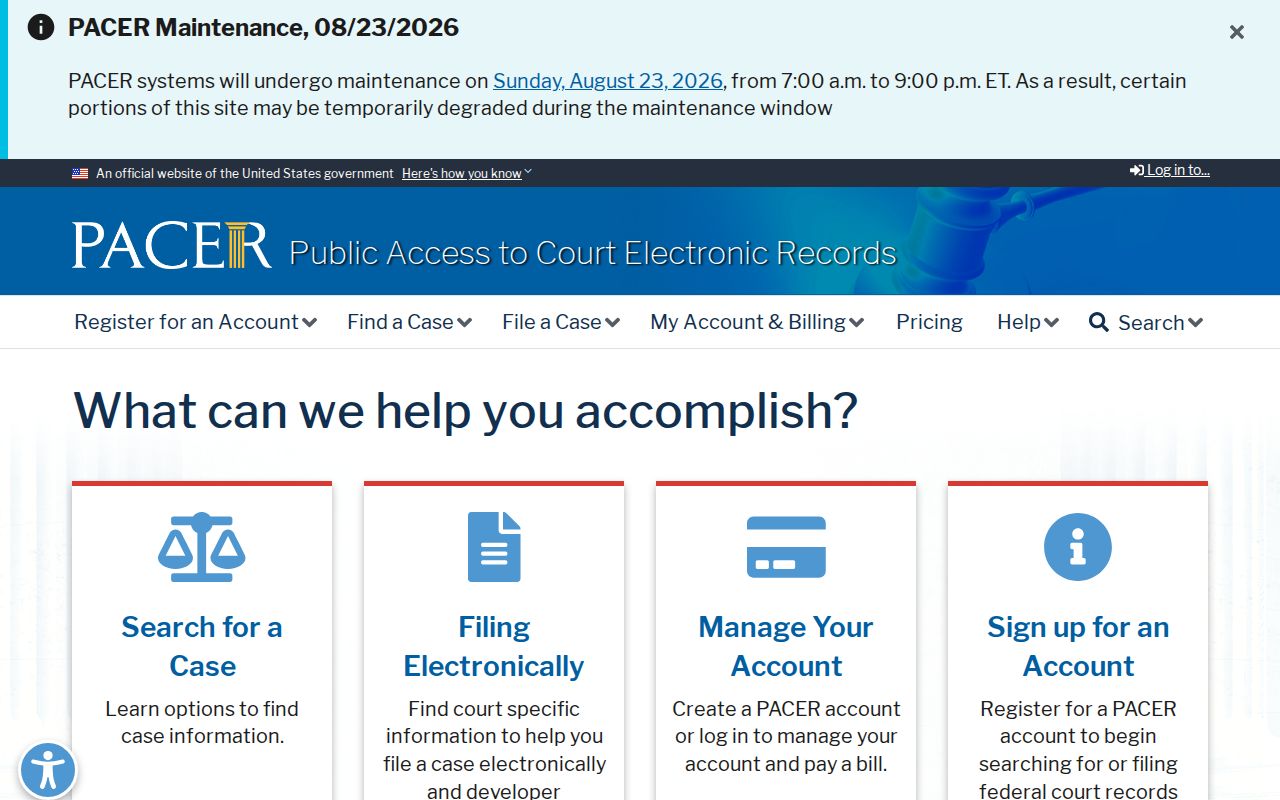
Use federal records only when a known person or case belongs in that court system, and keep its role distinct from county ownership evidence.
Pompano Beach Previous Household Trail
Deeds answer who owned. Reverse directories and census schedules can answer who lived here before, including people absent from the title. Broward County Library offers in-branch Ancestry Library Edition, historical newspapers, Digital Sanborn Maps through eligible library access, and local archives. The full collection context belongs with the Pompano Beach city directory collections; for one house, stay focused on the address and the years between transfers.
- Select a directory edition near the target date and copy the address entry exactly.
- Check the alphabetical entry, spouse references, abbreviations, and spelling variants.
- Pair the directory with the nearest public census through 1950 and compare household names and ages.
- Check the next edition. Treat a first or last appearance as a clue, not a certain move or death date.
- Use newspapers, an obituary, or probate to test where a past resident went next.
A reverse or criss-cross directory arranges entries by street and house number instead of surname. Local year runs remain unverified, and a changed address can signal readdressing rather than a move. Ask Special Collections to verify the volume and its abbreviation key.
Maps Date Pompano Beach Buildings
Sanborn fire-insurance maps can show a building footprint, construction features, use, and the street number printed in a given edition. Compare the mapped lot with the legal description before assuming two address labels refer to the same structure. Pompano-specific editions were not verified in the research, so search the Broward history and genealogy resources and confirm the place and year.
City permits add dated building events. An addition, demolition, dock, seawall, or major repair may explain why one address appears differently in later records. The Pompano Beach E-Services routes lead to permit research, while older files may require the records desk. A permit names owners, applicants, or contractors connected to the work. It does not prove who slept at the property.
Note: Keep parcel identity, building history, ownership, and occupancy in separate columns until independent records connect them.
Pompano Beach Lives Beyond Deeds
The Broward Digital Archives can turn a list of names into local context. The Chapman Collection connects an early Pompano family with railroads, tomato packing, pepper fields, and the 1926 hurricane. Oral histories preserve nicknames and vanished landmarks. Those details can explain why a deed, directory abbreviation, or old street reference looks unfamiliar today.
More than 290 Rev. Clinton Mack photographs document Black Pompano life during the 1930s and 1940s. Such images do not replace an address match, but they can place previous residents within churches, clubs, work, and community events omitted from parcel rolls. Search by family and institution names, then corroborate the result with a dated official or newspaper record.
Florida vital-record forms provide another carefully limited route when a family-history question calls for an eligible certificate.
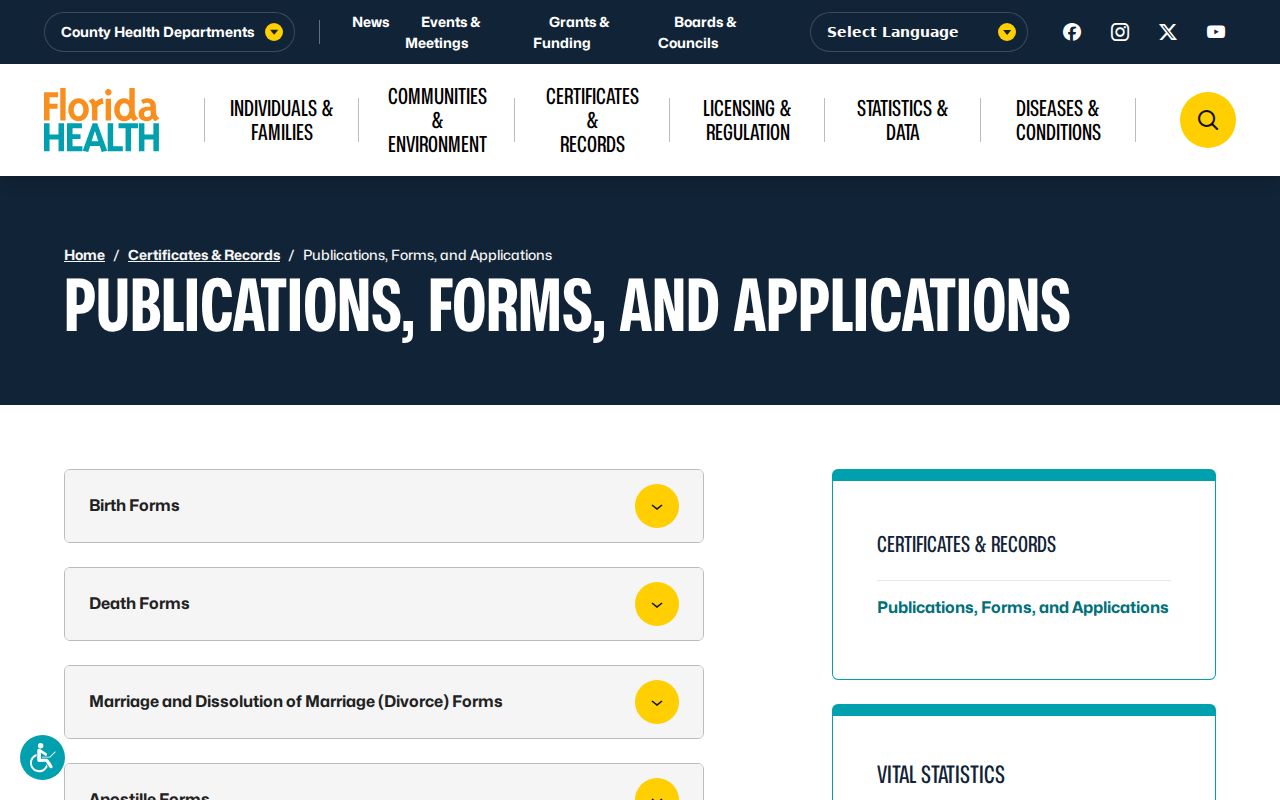
The forms page is an ordering gateway, not a public roster, and Florida restricts recent birth records by eligibility.
Pompano Beach Probate Resident Trails
When an owner dies, a simple grantor-to-grantee chain may appear to stop. Search the Broward Clerk's probate index for the decedent, personal representative, and estate case. Recorded probate instruments can then link that court matter back to the parcel. This is a useful official trail for family and heir research, especially when a deed was signed by an estate or trustee.
Obituaries can identify relatives, former places, and service dates, but they are notices rather than title records. Compare them with the probate docket, recorded instrument, and death record available under Florida law. Marriage applications held for 1922 through 1972 may add identity or age detail. Court copies can be requested online, by mail, or in person; archive series may require direct staff help.
The Sunbiz corporation name search can help when the title holder is a company rather than a person.
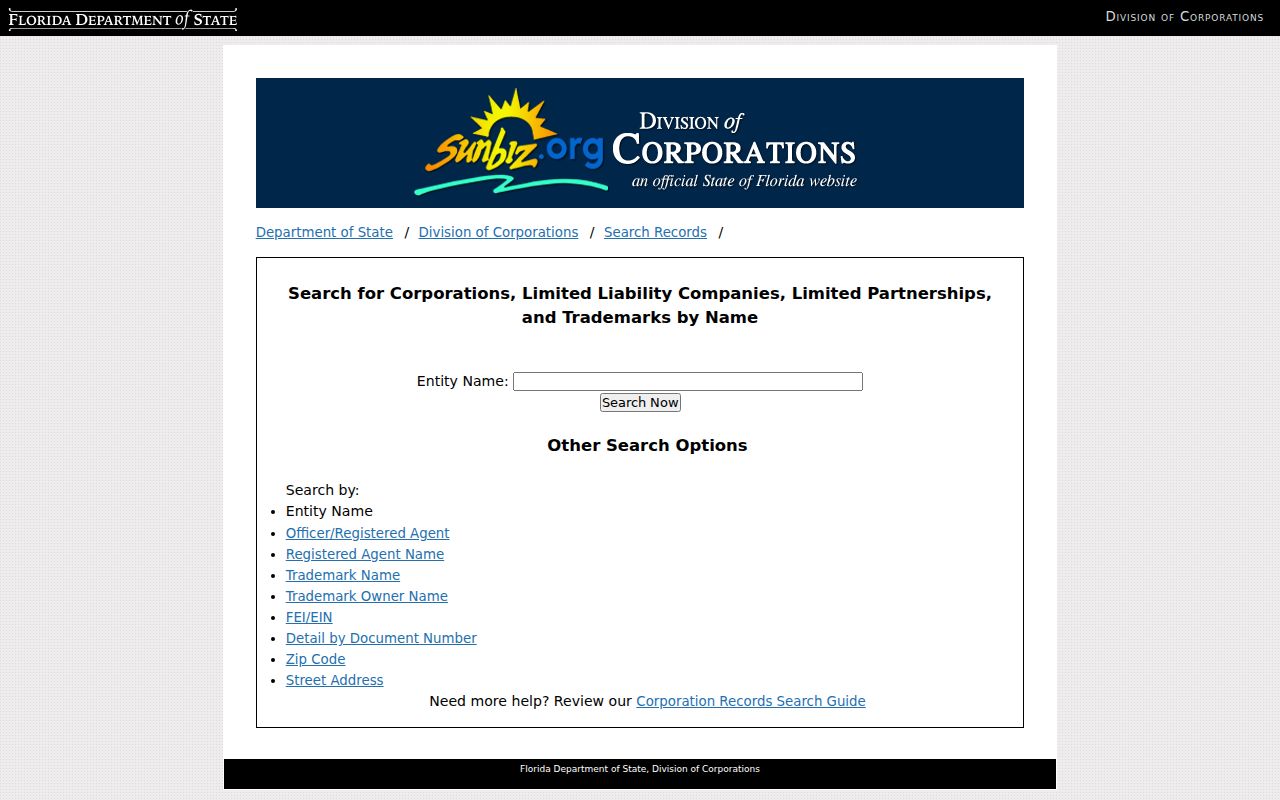
Corporate filings show roles and business addresses. They must not be relabeled as proof that an officer lived at the parcel.
Previous Residents Are Not Owners
The central check is simple: ownership and occupancy are different facts. Seasonal and second-home ownership makes that distinction important in Pompano Beach. Condominium title may sit with a trust or company. A mailing address may be elsewhere. Renters and relatives usually do not appear on a parcel card, while a directory may omit a person or retain an outdated listing.
Use at least two records with dates that overlap. Preserve labels such as owner, grantee, voter, applicant, executor, or household member instead of turning every name into a resident. A well-built history can include uncertainty. It is more accurate to say a person owned the parcel in one year and appeared at the address in another than to claim continuous residence without evidence.
Lawful use. Research previous residents for family history, estate work, and personal house history. Florida law does not permit stalking, harassment, threats, or evasion of a protected address.